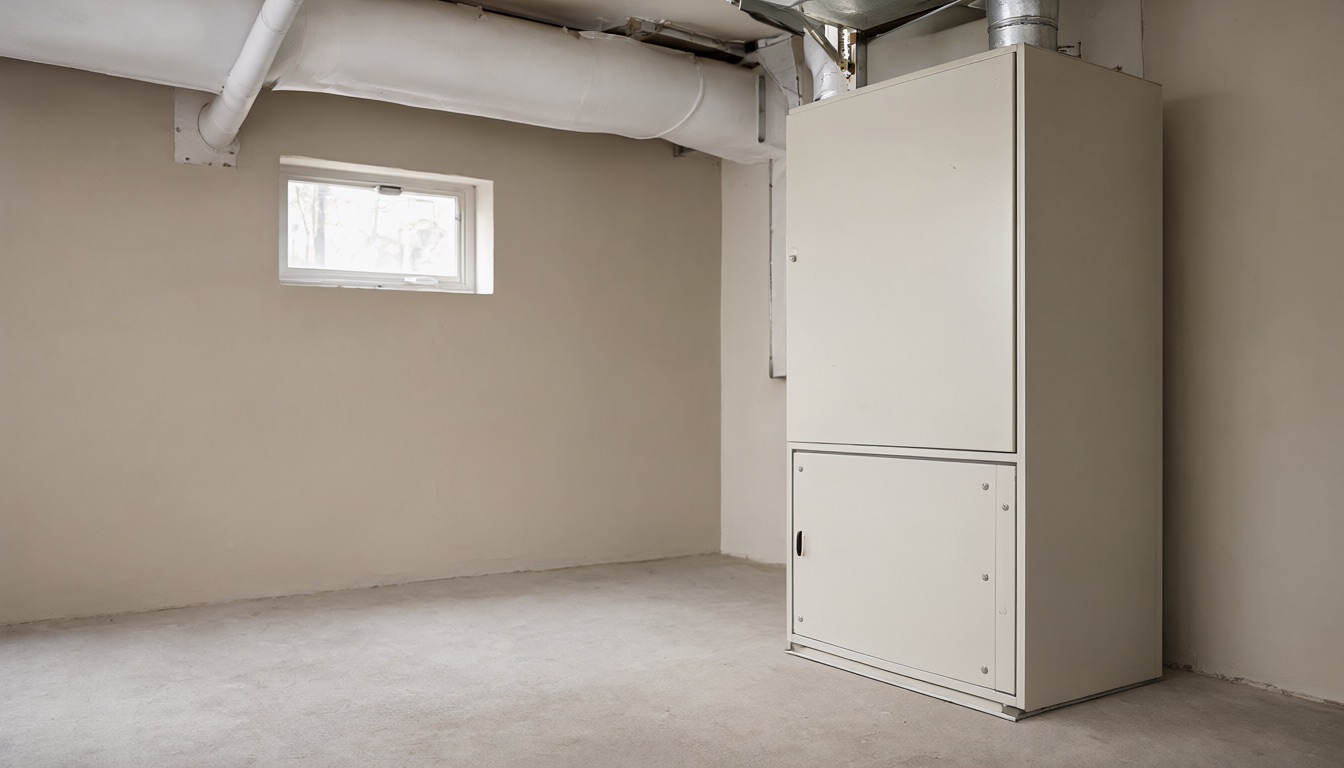
A furnace that smells like burning dust the first time you turn on the heat is usually normal. Dust, pet hair and lint settled on the burners and heat exchanger over the summer, and it burns off when the furnace fires up. The smell is usually strongest in the first few minutes and fades within about 30 minutes to an hour, though some manufacturers say a few hours. A smell that is rotten-egg, electrical, melting plastic, oily or chemical, or one that gets stronger instead of weaker, is not dust. In that case shut the furnace off, and call your gas utility or an HVAC technician.
Stop first if the smell isn’t dust
Check these before you wait out a “dusty” smell. They matter more than anything else in this guide.
- Rotten eggs, sulfur or garlic: this can be natural gas. Leave the house right away with everyone, including pets. Don’t flip light switches, use appliances, or use your phone inside. Once you’re a safe distance outside, call your gas utility’s emergency number or 911. Wisconsin’s Public Service Commission gives this same sequence in its natural gas safety guidance. Don’t go back in until the utility says it’s clear.
- A carbon monoxide (CO) alarm sounds, or anyone has a headache, dizziness, nausea or confusion: get everyone outside into fresh air and call 911 or the fire department. The U.S. Consumer Product Safety Commission (CPSC) says not to search for the source yourself, and not to go back in until responders say it’s safe. See its carbon monoxide questions and answers.
- Burning plastic, rubber, hot wires or an ozone-like “electrical” smell: turn the furnace off at the thermostat, then at its switch or breaker. Don’t run it again until an HVAC technician has looked at it.
- Visible smoke from a vent, or soot around the furnace: shut the system off and call a pro. If there are flames or heavy smoke, get out and call 911.
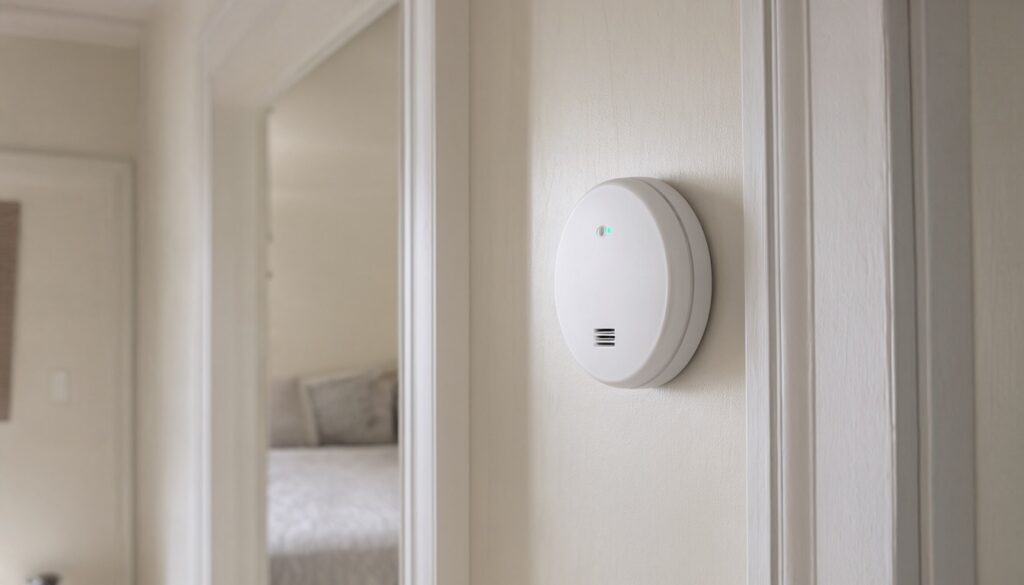
CO itself has no smell, so a smell test can’t tell you the air is safe. The best protection is a working CO alarm on every level and outside sleeping areas. CPSC recommends interconnected alarms with battery backup, so when one sounds, they all do.
Why does a furnace smell like burning dust the first time you turn it on?
All summer the furnace sits idle while the house fills with fine dust, pet dander, lint and pollen. Some of it settles on the burners, the heat exchanger (the metal chamber that gets hot) and the blower compartment. When the heat comes on in fall, those parts warm up fast, the thin layer of dust scorches, and the blower pushes the smell through your ducts and out of the registers.
A few things make it stronger:
- A home that’s dusty or has pets.
- A dirty filter, which lets more dust build up inside the system.
- Humid summers, which can make that dust stickier.
- A long gap since the last heating cycle, such as a furnace that wasn’t used at all last winter.
Electric furnaces and heat-pump backup heat strips can do the same thing, since dust bakes off their heating elements. Our guide to why your house is so dusty all the time covers how to cut down on the dust itself.
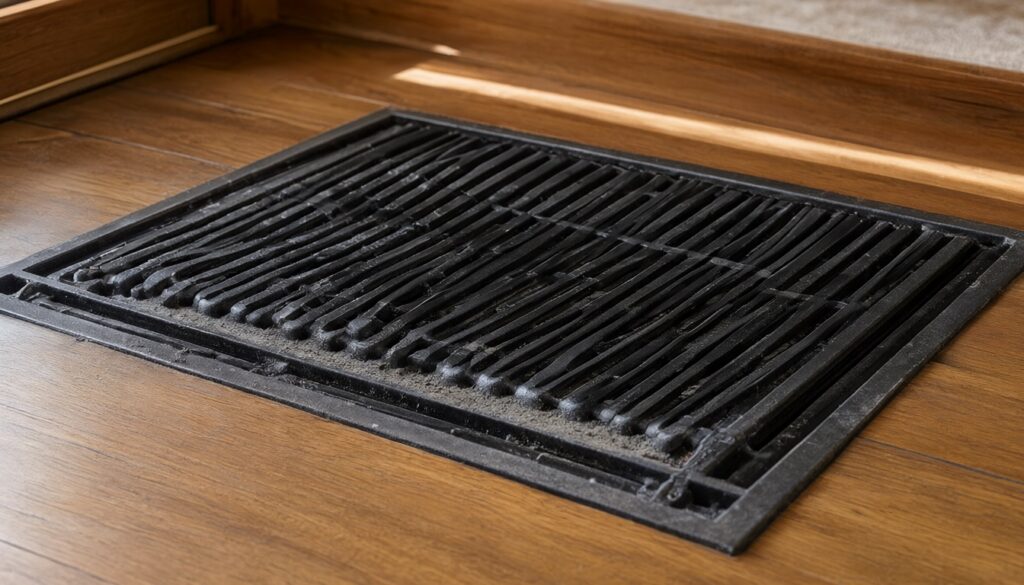
How long does the burning dust smell last?
Sources vary a little, so use these ranges as a guide, not a stopwatch. Several HVAC company guides put the normal smell at about 15 to 30 minutes, peaking in the first 5 to 10 minutes. Carrier says it can last from about 30 minutes to a few hours at the first startup of the season. Trane suggests running the unit for about 10 minutes, and says an odor that lasts more than an hour despite troubleshooting deserves professional attention.
The pattern matters more than the exact minutes. Normal dust smell:
- Is strongest at the start and steadily weakens.
- Smells dry, dusty or slightly singed, like a hot iron or toaster.
- Is mostly gone by the second or third heating cycle, and doesn’t come back.
Treat it as a problem if it grows stronger, turns sharp, chemical or metallic, is still strong after an hour or two, or returns on later cycles. Brand-new furnaces can also smell for a few hours from factory coatings. Trane suggests running a new unit with windows open and calling the installer if it doesn’t fade.
Is a burning smell from your heater dangerous? A smell-by-smell guide
Use this table to match what you smell to the likely cause. It’s a rough guide for homeowners, not a diagnosis.
| What it smells like | Likely cause | What to do |
|---|---|---|
| Dry, dusty, slightly singed, fades in minutes | Dust burning off the burners or heat exchanger | Ventilate and wait. Normal on first startup. |
| Rotten eggs, sulfur | Possible natural gas leak | Leave immediately and call the gas utility or 911 from outside. Don’t use switches or phones inside. |
| Burning plastic or rubber | Overheating wire insulation or blower parts, or an object touching a hot part | Shut the furnace off. Check nearby registers for a fallen toy or debris. Call an HVAC pro if you don’t find the cause. |
| Electrical, ozone or hot metal | Failing blower motor, capacitor or wiring | Shut off at the thermostat and breaker. Call an HVAC pro or electrician. |
| Oily or like heating oil | Oil furnace: leak or burner problem | Shut off and call a pro. Don’t keep running it. |
| Exhaust, chemical or formaldehyde-like | Possible cracked heat exchanger or poor venting | Shut off, open windows, check your CO alarms, and call a pro before using the furnace again. |
| Musty or “dirty socks” | Clogged filter, or mildew in ducts or the coil | Replace the filter and run the fan. If it lingers, have the system inspected. |
| Burnt smell from a single room | Debris or a rug blocking one register | Find the strongest room, check the register for trapped objects, and clear it. |
What to do during the first startup of the season
- Note the time when the furnace comes on, so you can tell how long the smell lasts.
- Ventilate. Open a couple of windows or run bathroom and kitchen exhaust fans, especially if the smell bothers you. Close them again once it fades.
- Run the fan. If your thermostat has a fan setting, run it on “On” for a while so the dust moves through the house and out.
- Keep checking the smell. It should weaken. If it doesn’t, or if it becomes one of the smells in the table above, turn the system off at the thermostat.
- Keep the furnace cabinet closed. Don’t open it to look at gas or electrical parts, and don’t try to clean the heat exchanger yourself. HVAC companies warn that rough handling can damage it.
- Keep people with asthma or sensitivities out of the house or in a far room for the first cycle, if the dust affects them.
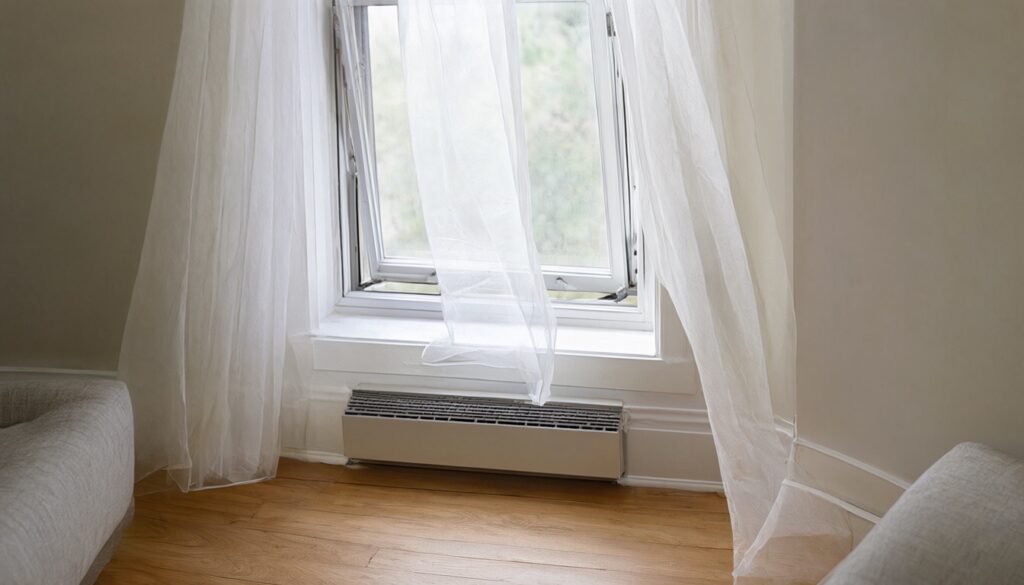
How to prevent the burning dust smell before you turn the heat on
A little prep in early fall gives the system less dust to burn. Do this on a mild day before you first need heat, with the furnace off.
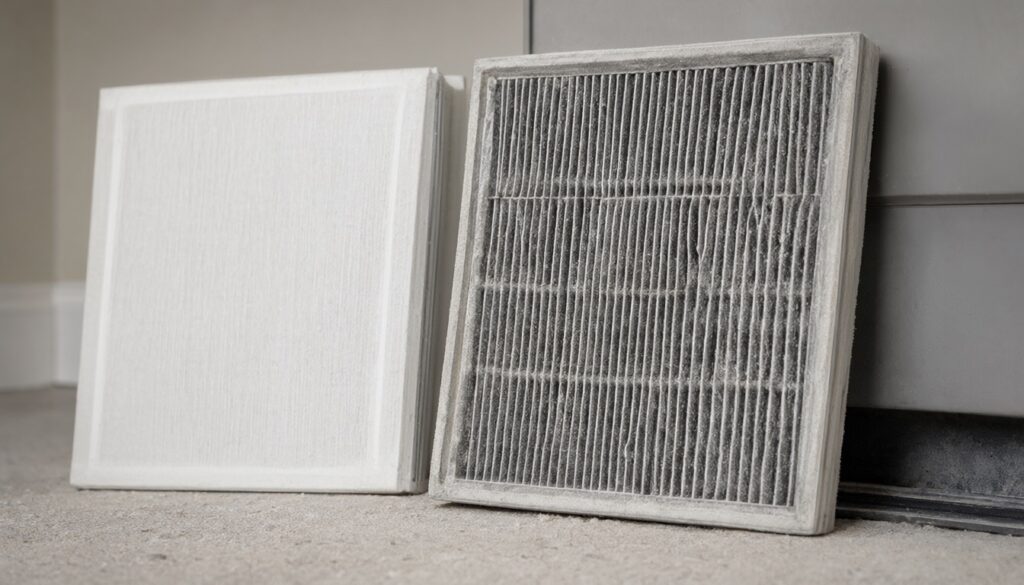
- Replace the air filter. ENERGY STAR advises checking, cleaning or changing filters monthly, and a dirty filter can raise energy costs and shorten equipment life. Carrier suggests replacing basic 1-inch filters every 30 to 90 days. Check your furnace’s manual for the right size and airflow arrow direction.
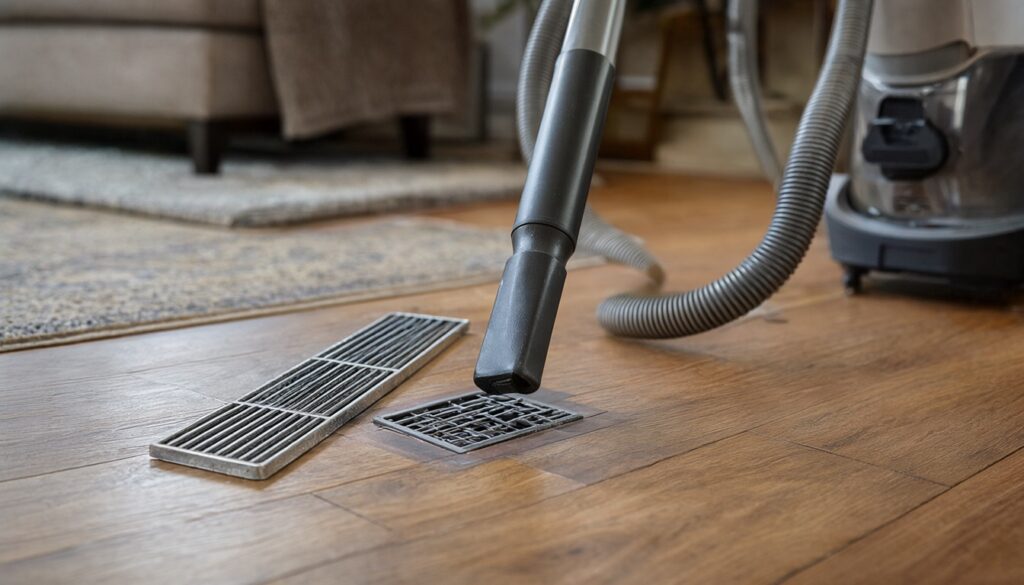
- Vacuum the registers and return grilles. Lift out the floor registers, vacuum inside the first foot or so of duct and wipe the grilles. Don’t push the hose far into the ducts or try to clean inside the furnace.
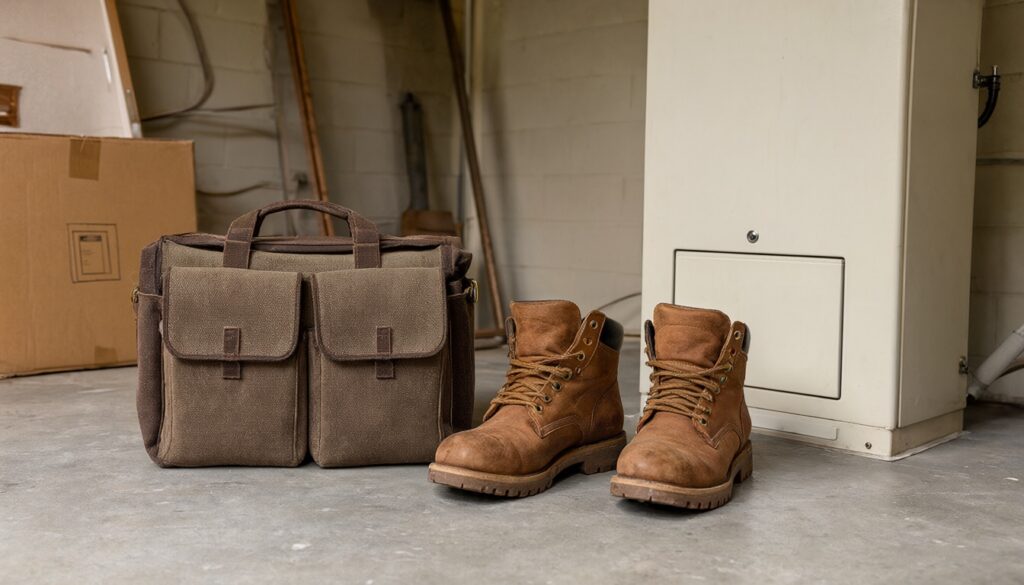
- Clear the area around the furnace. Move boxes, paint, cleaning products, laundry and anything else that can burn away from it. Don’t store it in the furnace closet. Keep floor and wall registers free of rugs, curtains and furniture.
- Check that the vents aren’t blocked, and look for a fallen toy or sock in a register, which is a common cause of a plastic smell in one room.
- Test your CO and smoke alarms. Replace batteries as needed.
- Schedule a pre-season tune-up. ENERGY STAR advises heating checks in the fall, before contractors get busy, covering gas connections, gas pressure, burner combustion and the heat exchanger.
- Run the heat once on a mild day, with windows open, so the first burn-off doesn’t happen on the first freezing night. Our fall maintenance checklist for winter has other jobs worth doing at the same time.
Can you use space heaters or baseboard heat while the smell clears?
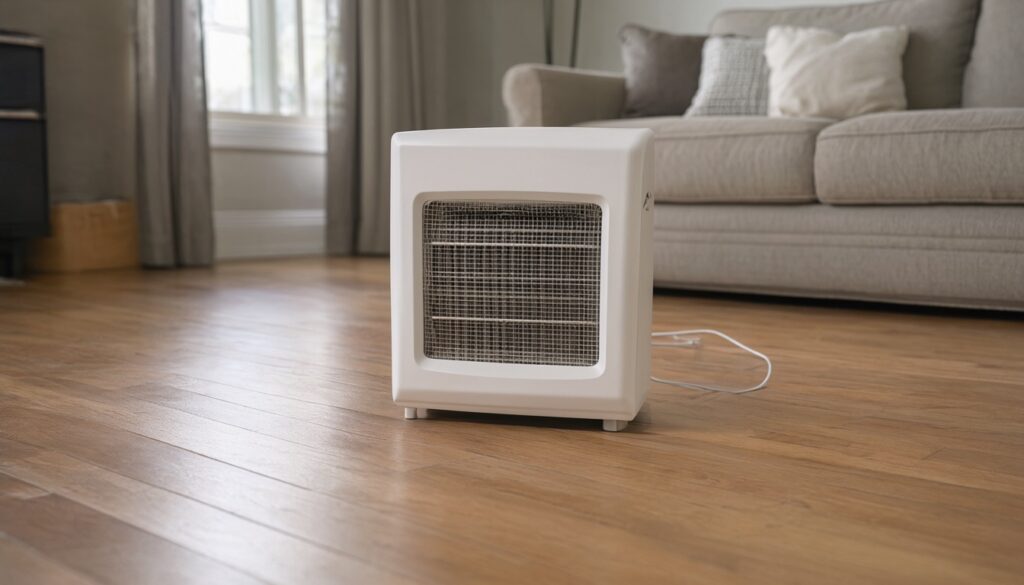
Yes, for short periods. If the smell is mild dust and you’d rather not sit in it, you can step into another room, ventilate, and use baseboard or electric heat there while the furnace airs out. Don’t use a space heater as a way to avoid fixing a furnace that smells like gas, smoke or burning plastic.
If you do use a portable electric space heater, the National Fire Protection Association (NFPA) advises keeping anything that can burn at least 3 feet away, plugging it directly into a wall outlet and not a power strip or extension cord, choosing a model with tip-over shut-off, and never leaving it on in an empty room or while you sleep. It’s also worth reading our roundup of room heaters, which is older and doesn’t cover current models. Never use a gas oven, grill or camp stove to heat a home. They produce carbon monoxide.
When to call a pro: signs and costs
Call an HVAC technician (not a handyman) if you see any of these:
- The smell is electrical, plastic, oily, chemical or exhaust-like.
- Dust smell lasts well beyond the first hour or two, gets stronger, or returns every cycle.
- You hear grinding, squealing, banging or scraping, or the house heats unevenly.
- There is soot or smoke near the furnace or vents, or anyone gets headaches, nausea or dizziness while it runs.
- Your CO alarm has gone off. Evacuate first, call 911, then have a technician inspect all fuel-burning appliances before anyone runs the furnace.
For a gas smell, call your gas utility first. Utilities generally respond to leak reports at no charge, but check with your own.
Typical US costs. A basic furnace tune-up often runs about $80 to $150, according to HVAC.com’s cost guide, with oil furnaces and extras like duct cleaning costing more. Bob Vila’s furnace repair cost guide lists standard inspections at $70 to $130, repairs at roughly $100 to $600, and technician labor at about $75 to $150 an hour, higher for after-hours emergency calls. A cracked heat exchanger or a failed blower motor is usually a bigger repair. If repairs would cost more than about 30 percent of a new furnace, that guide says replacement can be the better value. Prices vary by region and company, so get a written quote.
FAQ
Is it normal for a furnace to smell like burning the first time it’s turned on?
Yes, if it smells dry and dusty and fades. That’s dust burning off. A sharp electrical or plastic smell, a rotten-egg smell, or a smell that gets stronger is not normal.
Can the burning dust smell make you sick?
The amount of burning dust is usually small, but it can irritate the nose, throat or eyes, especially with asthma or allergies. Ventilate and step into another room. Headaches, nausea or dizziness together with a furnace smell can be a sign of carbon monoxide, so get outside and call 911.
Why does my heater smell like burning even after a few days?
Dust should be gone after the first cycle or two. If it keeps going, the cause might be a very dirty filter or burners, debris in a duct, or a worn blower motor or wiring. Change the filter first. If the smell stays, call an HVAC technician.
Can a dirty filter make a furnace smell like burning?
Yes. A clogged filter restricts airflow, which makes the furnace work harder and can add to dust smells and overheating. Replacing it is the cheapest first step.