
Your toilet bowl water level drops overnight because something is pulling or letting water out of the bowl while nobody is flushing. The usual suspects are a partial clog with a string or wad of paper wicking water over the trap, a blocked plumbing vent that siphons the bowl, a hairline crack, or a bowl that never refilled fully after the last flush. In an unused bathroom, evaporation can also take a little. Marking the waterline tells you how much is leaving, and a few simple tests tell you why.
Why does my toilet bowl water level drop overnight?
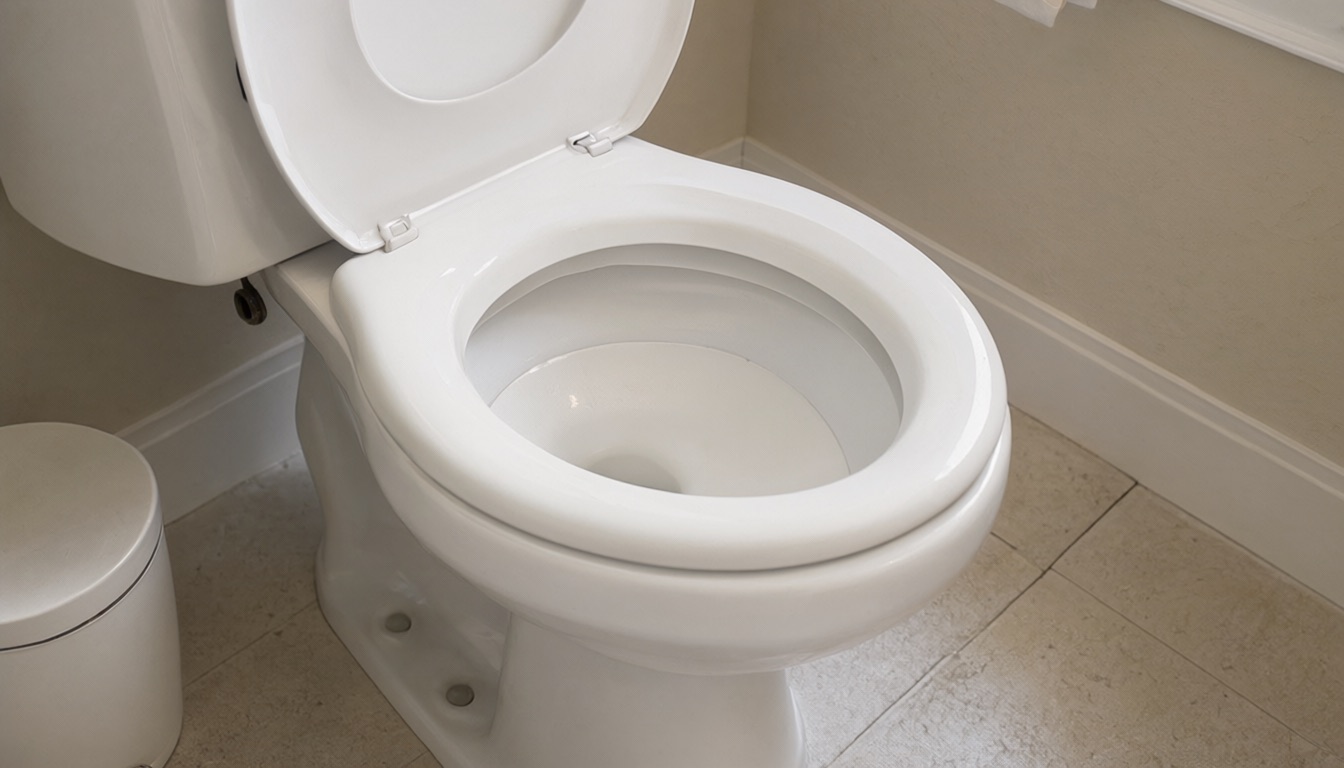
A toilet bowl holds a pool of water in a curved passage called the trap. That pool is a seal: it keeps sewer gas out of your house. The water stays put because the shape of the trap holds it, and because air in the drain system stays at normal pressure. When the level falls with no flushing, either the water is being pulled out (siphoning or wicking), leaking out (a crack), or never got there (a short refill).
Plumbing references list the same culprits for any fixture trap that loses its seal: siphoning, capillary action from fibers lodged in the trap, evaporation, and wind or pressure swings from the vent system. Here is how that plays out in a toilet:
- Partial clog or stuck string. A strand of floss, hair or toilet paper hanging over the trap’s high point acts like a wick and slowly drags water downhill.
- Blocked vent. Vent pipes let air into your drain lines. When one is clogged, a draining sink, washer or tub can create suction that pulls water out of the bowl.
- Wind across the roof vent. Gusts can make the trap water bounce and, over time, lose some.
- Hairline crack. A crack in the porcelain below the waterline lets water seep out slowly.
- Low refill. If the small refill tube is out of place, the bowl may not top up after a flush and will look low every time.
- Evaporation. Real, but small. It only explains a drop over days or weeks in a bathroom nobody uses.
First, measure how much water the toilet bowl is losing
Do this before you buy anything. It sorts the problem into “slow loss” and “sudden dip,” which points you to different causes.
- Flush and let the tank refill. Wait until the bowl is full and the tank has stopped running.
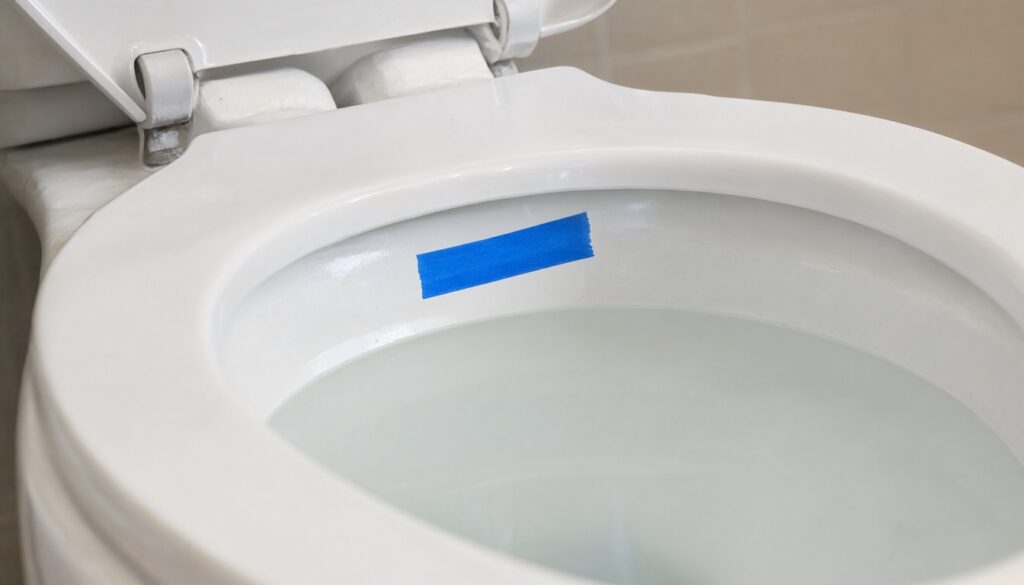
- Mark the waterline. Stick a small piece of painter’s tape inside the bowl right at the water surface.
- Don’t use any water in the house for a few hours (or overnight): no showers, no washer, no dishwasher.
- Check the level. Compare it to the tape. A small drop of an inch or two can be evaporation or a slow wick. A large drop, or an empty trap, means something is actively pulling water out.
- Repeat with the house in use. If the level only drops after the washer drains or a sink empties, the vent is the likely cause (more below).
Toilet water level low after flush: is it the refill tube?
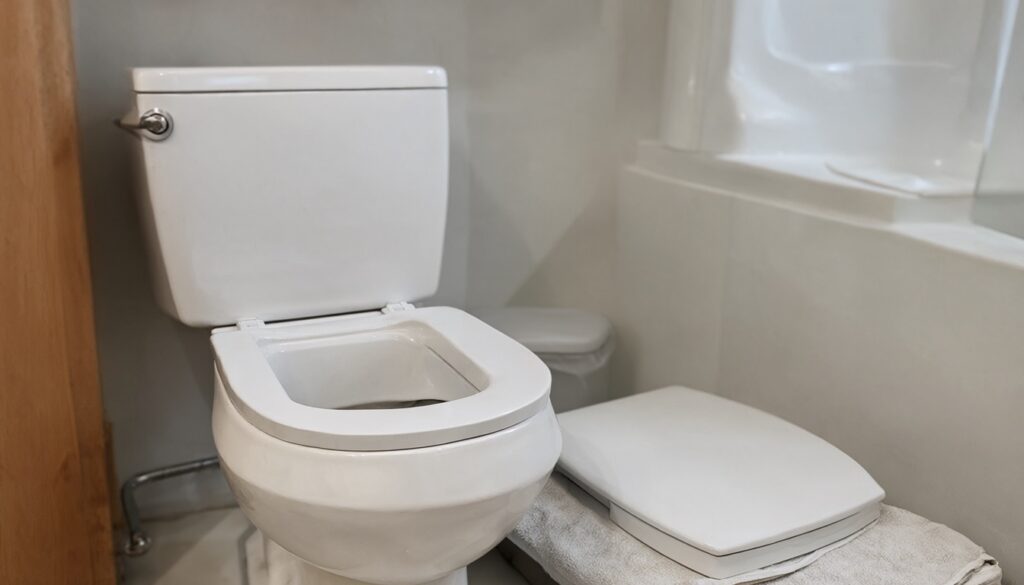
If the bowl is low right after the flush, before any overnight loss, the problem is the refill, not a leak. After each flush, the tank sends a small stream through a thin flexible refill tube that clips onto the top of the overflow tube. That stream tops up the bowl while the tank refills.
- Check the clip. If the tube has slipped off the overflow tube or is kinked, bowl water doesn’t get restored.
- Look for blockage. Mineral buildup in the tube or at the fill valve can cut flow. Gently clear it and flush again.
- Watch the flush. After you flush, a small amount of water should run into the overflow tube until the bowl returns to its normal level.
If the tank is the issue, our guide on how to fix a running toilet covers flappers, fill valves and water-level adjustments. Remember that this post is about the bowl, which is a different problem from a tank that keeps refilling.
Toilet bowl losing water from a partial clog or stuck string
The trap in a toilet bowl is a bend inside the porcelain. If a string, floss, hair, or a thin ribbon of paper is draped over the high point, water travels along it by capillary action and drips down the drain side. It’s slow, so you usually notice a lower bowl in the morning and a normal one after a flush.
Signs this is the cause:
- The level falls gradually, even with no other water in use.
- Flushes sometimes feel weaker or slower than they used to.
- Only this toilet is affected, with no gurgling anywhere else.
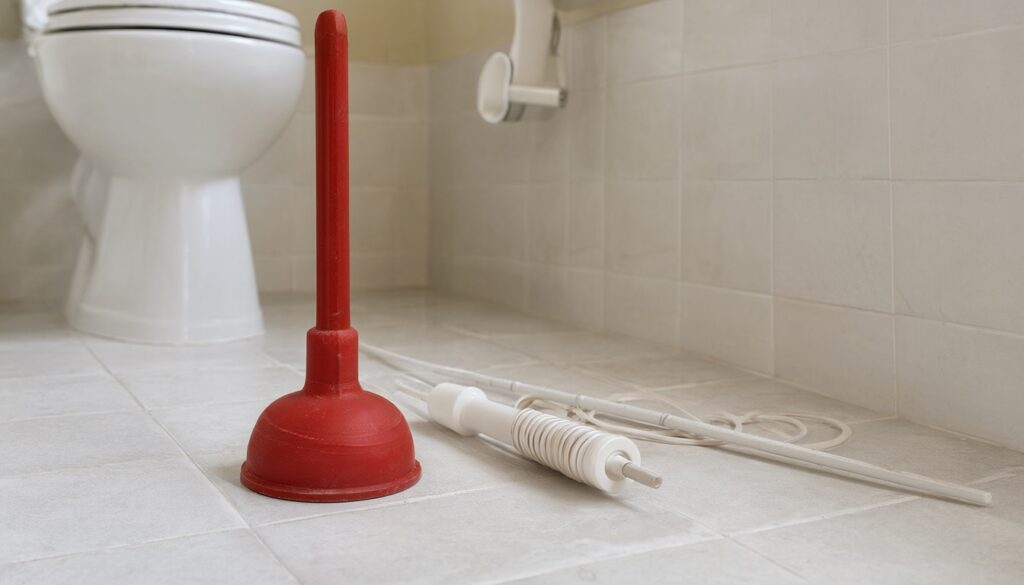
How to check: Turn off the bathroom light, shine a flashlight into the trap opening at the back of the bowl, and look with a small inspection mirror if you have one. If you see something dangling, flush a few times and see if it clears. If not, use a toilet auger (a short snake with a rubber guard) to pull it out. Our guides on unclogging a toilet and unclogging with salt cover the plunging and household methods.
Toilet bowl water level drops when another drain runs: a blocked vent
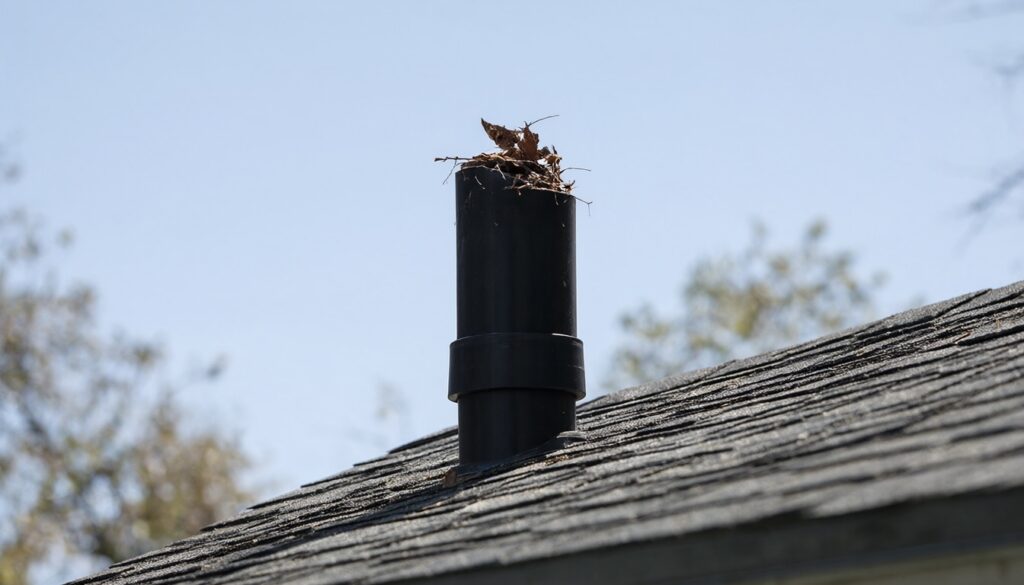
Every drain line needs air behind the water. Vent pipes, which usually rise through the roof, provide it. If a vent is blocked by leaves, a nest, or snow and ice, a draining fixture can pull a vacuum on the line and suck water out of the nearest trap, which may be your toilet. State health departments name blocked roof vents as one way water seals fail through siphoning, and one toilet-help guide lists blocked vents among the leading reasons a bowl loses water.
Tell-tale signs:
- Gurgling from the toilet or a nearby drain when the tub, washer or sink empties.
- The bowl level jumps or dips when another fixture drains.
- Other drains in the house are slow, too. If your tub drains slowly only while the shower runs, read why your bathtub drains slowly when the shower is running, because it can be the same vent or main-line issue.
- The problem is worse on windy days.
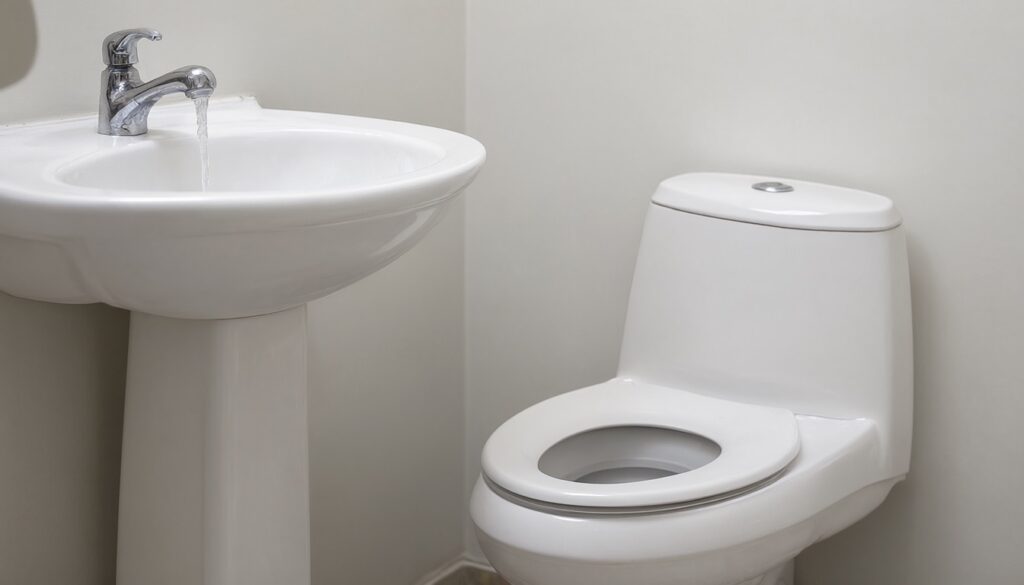
The test: With the bowl at its normal level, run the bathroom sink at full flow for a minute, or drain the tub, and watch the bowl. If the water level drops or the toilet gurgles, suspect the vent or a partial blockage in the main drain.
The fix: Go up on the roof only if you can do it safely, and never in wet or icy conditions or without fall protection. A shop-vac or garden hose can clear loose leaves from the opening. If you can’t safely reach it, or the blockage is deeper, a plumber can clear the vent with a drain machine or a camera. An air admittance valve (AAV) is sometimes used where roof venting is difficult, but code rules vary, so ask a licensed plumber.
Hairline crack: how a dye test shows a toilet bowl leak
A crack in the bowl lets water seep out only as far down as the crack, so the level falls to a certain point and stops. A hairline crack can be hard to see. Cracks sometimes show up as a thin dark line in the porcelain or as a slow trickle onto the floor near the base. Wet floor or damp subfloor is the stronger clue than a visible line.
Dye test for the bowl:
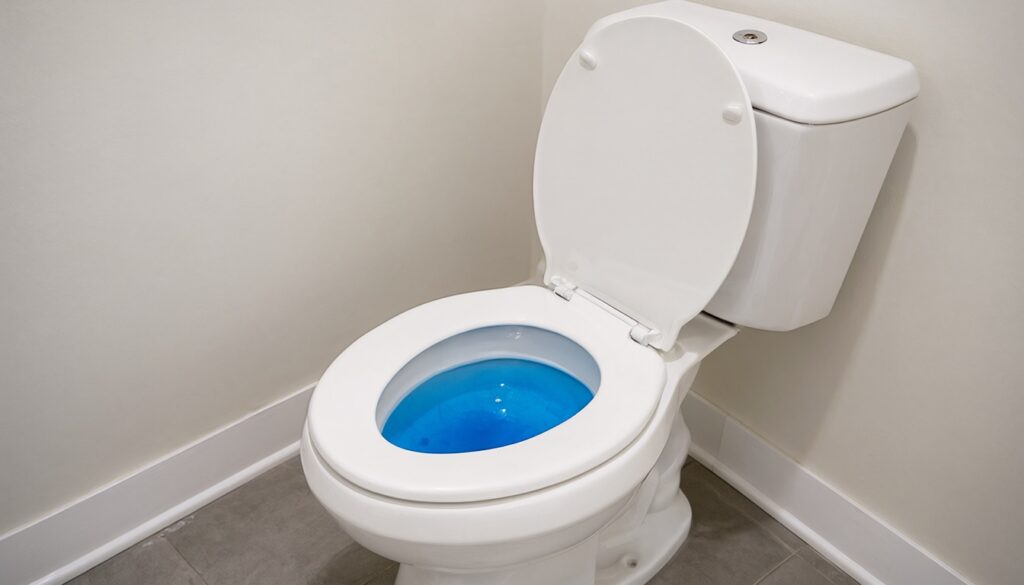
- Dry the outside of the bowl and the floor around the base with a towel.
- Add several drops of food coloring to the bowl water and don’t flush.
- Wait 20 to 30 minutes, then wipe around the outside of the bowl and base with a white paper towel.
- If colored water shows on the towel or floor, the bowl is leaking. If it stays clean, the loss is going down the drain.
Also run a separate dye test on the tank (color in the tank, no flush) to see whether tank water is leaking into the bowl. That is a flapper problem, not a bowl problem, and the running-toilet guide above covers it.
A cracked bowl can’t be repaired reliably. Epoxy on the inside of the bowl is a stopgap at best and may fail. Plan to replace the toilet.
Why does my toilet bowl water go down in an unused bathroom?
A seldom-used toilet can lose some water by evaporation, especially in a dry or heated house. Water evaporates slowly, so the drop takes many days, not one night. If the seal stays full after you refill the bowl and stays that way for a week, evaporation is not your overnight problem.
For a guest bath or a vacation home, flush every week or two, or run water into rarely used drains like floor drains and basement drains. Floor drains are the most common dry traps, and several state health departments recommend pouring water into them regularly. If you leave the house for the winter, ask a plumber about the right way to protect traps from freezing.
Could it be the wax ring?
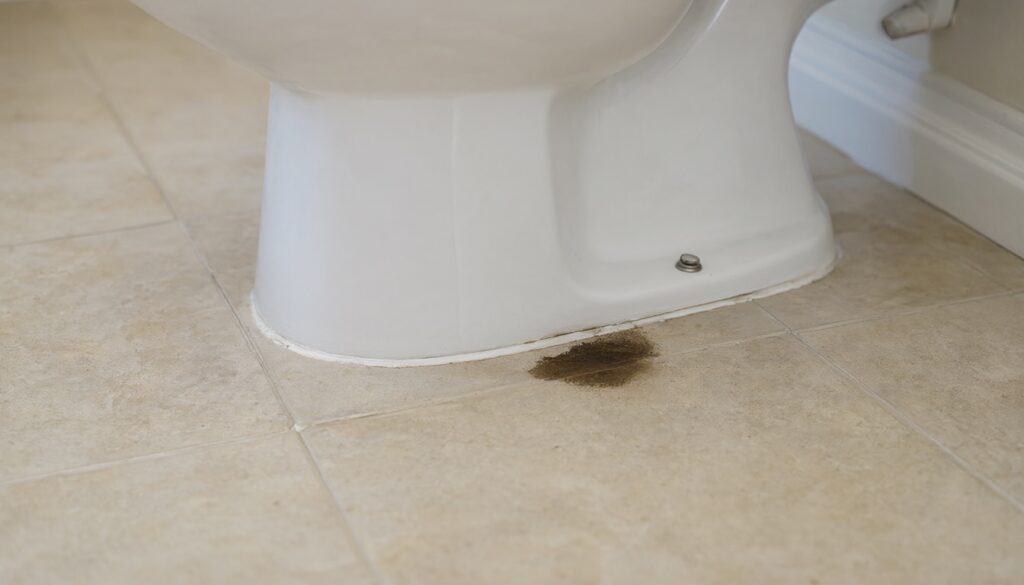
Not usually. The wax ring seals the base of the toilet to the floor flange. When it fails, the typical sign is a leak at the base of the toilet, a rocking toilet, a water stain on the floor or ceiling below, or a sewer smell. It doesn’t normally lower the water in the bowl. If you see water or stains around the base, shut off the water, check the floor, and plan to reset the toilet with a new ring.
Symptom to cause to fix
| What you see | Likely cause | What to do |
|---|---|---|
| Level drops slowly overnight, other fixtures fine | String or paper wicking over the trap | Inspect with a flashlight; flush, plunge or use a toilet auger |
| Bowl dips or gurgles when the sink, tub or washer drains | Blocked vent or partial main-line clog | Clear the vent opening if safe, or call a plumber |
| Other drains are slow or gurgle too | Main drain or vent problem | Plumber: camera inspection and drain clearing |
| Level always low right after a flush | Refill tube out of place or blocked | Re-clip the refill tube onto the overflow tube; clear any blockage |
| Level drops to a set point, colored water on the floor or outside the bowl | Cracked bowl | Replace the toilet |
| Small drop over many days in an unused bathroom | Evaporation | Flush weekly; refill the bowl |
| Water or stains around the base, toilet rocks | Failed wax ring or loose bolts | Reset the toilet with a new wax ring |
| Level drops on windy days | Wind pressure at the roof vent | Check the vent for blockage; ask a plumber about venting |
Why a low toilet bowl lets sewer gas in
The water in the bowl is the plug between your living space and the sewer. When it falls, gases in the drain line can drift into the bathroom. State health departments list hydrogen sulfide (the rotten-egg smell) and methane as the main components, and note that dry traps are a common way these gases get into homes. Low levels cause headaches, dizziness, nausea and irritation. At high concentrations hydrogen sulfide can dull your sense of smell, so you can’t rely on your nose, and both gases are flammable.
If you smell sewer gas, refill the bowl by pouring in a bucket of water and ventilate the room. Avoid sparks, flames, and smoking near strong odors. If the smell is strong, if several people feel sick, or if it returns after you refill the bowl, leave the area and call a plumber. If you smell natural gas instead (a different, sulfur-added odor), leave the house and call your gas utility from outside.
How to fix a toilet bowl that keeps losing water
- Refill and mark the waterline. Pour water into the bowl or flush, wait for the tank to fill, then add the tape mark.
- Re-seat the refill tube. Lift the tank lid, make sure the tube is clipped to the overflow tube and not kinked.
- Look for a stuck strand. Shine a flashlight into the trap. If something is hanging there, remove it with a toilet auger or by flushing.
- Plunge once. Use a flange plunger with a good seal. A few firm pumps can dislodge a loose clog.
- Run the other-drain test. Drain the sink or tub and watch the bowl.
- Inspect the vent. If it is safe, look at the roof vent for debris and clear it. Otherwise, hand this step to a plumber.
- Run the dye test. Check for cracks or leaks at the base.
- Repeat the overnight mark test. If the level now holds, you’re done. If not, call a pro.
When to call a plumber
Call a licensed plumber if:
- The level still drops after you clear the trap and re-seat the refill tube.
- Other drains gurgle or drain slowly, which points to the vent or main line.
- You can’t safely reach the roof vent.
- You smell sewer gas again after refilling the bowl.
- You see water on the floor, a rocking toilet, or a cracked bowl.
Typical US costs, from public cost guides (they vary a lot by region and by whether the plumber needs to remove the toilet):
- Clearing a clogged toilet drain: roughly $200 to $700 with an auger, per Fixr’s cost guide.
- Replacing a wax ring or reseating a toilet: about $60 to $150 per Fixr, up to around $200 per Angi, and some plumbers quote more if they need to reset the toilet.
- General toilet repair: about $60 to $200, per Fixr’s national average.
- Hourly plumber rates: about $45 to $200 per hour, according to HomeAdvisor and Fixr.
FAQ
Is it normal for toilet water level to go down?
A small drop over several days in an unused bathroom is normal evaporation. A noticeable drop overnight is not, and it is worth testing.
Why does my toilet water level drop after I flush?
A bowl that is low right after a flush usually has a refill tube out of place or a partial clog. A blocked vent can also pull water out after the flush.
Can a clogged vent make a toilet bowl water level low?
Yes. A blocked vent can create suction that siphons water out of the bowl, especially when another fixture drains. Gurgling is the typical sign.
Can a cracked toilet bowl lose water overnight?
Yes. Look for damp spots on the floor, and run a dye test. Cracked bowls need replacing.