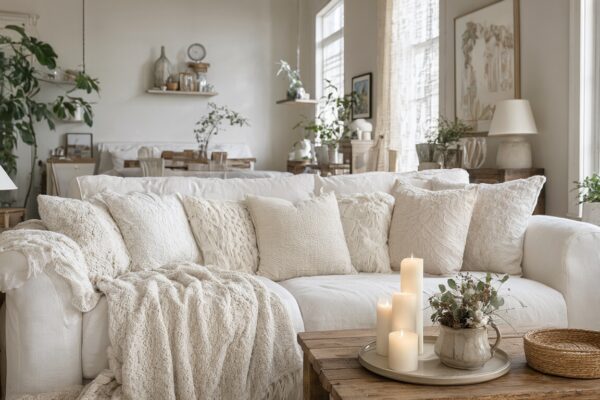
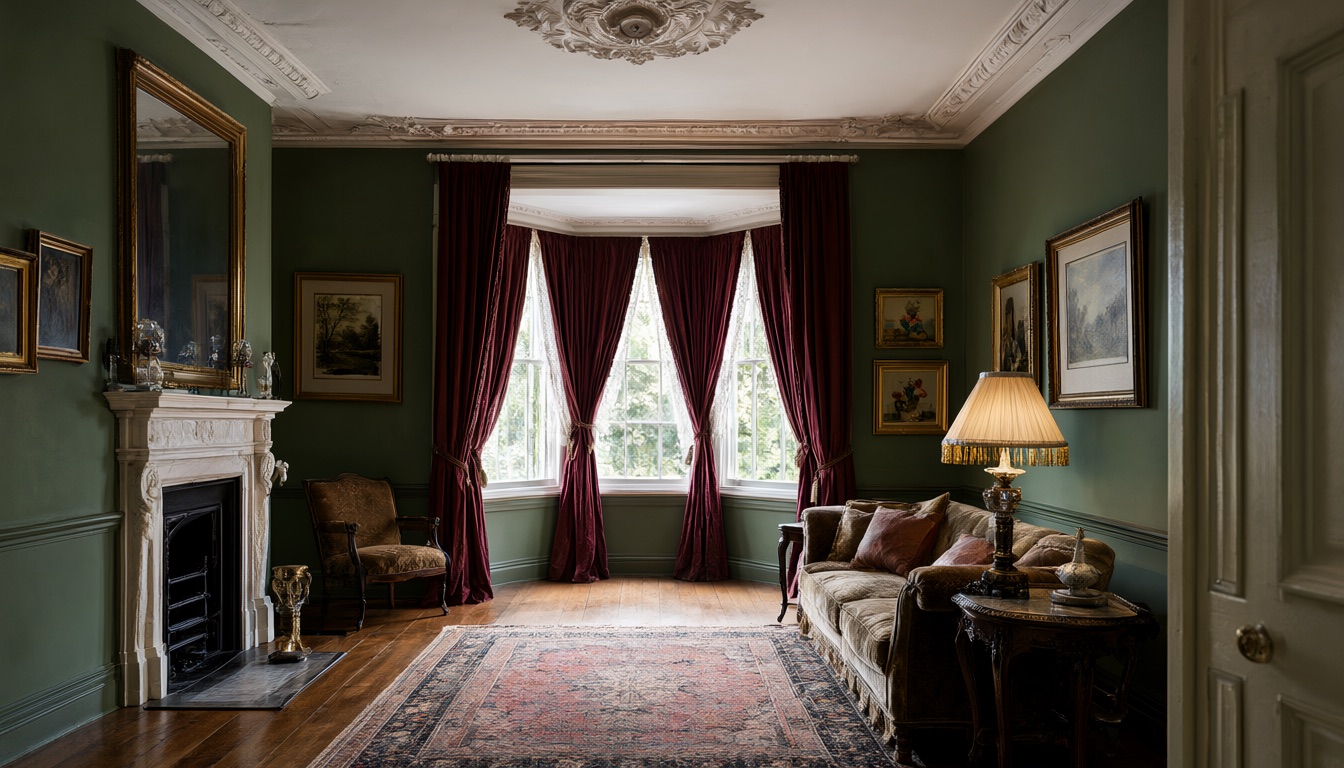
A Victorian house interior is built in layers: tall ceilings edged with plaster cornice and a central ceiling rose, walls divided by dado and picture rails, patterned wallpaper, a tiled hall floor, a fireplace in nearly every main room, and deep, rich colors with heavy fabrics. Below are 18 features and ideas that define Victorian interior design, grouped into the original architecture, room-by-room styling and modern Victorian updates, plus what to keep if you own the real thing.
What is a Victorian house interior?
“Victorian” covers homes built during Queen Victoria’s reign, 1837 to 1901. That’s more than six decades and many architectural styles: in the US, Italianate, Second Empire, Gothic Revival, Stick and Queen Anne houses; in Britain, rows of terraced houses and larger detached villas. Tastes shifted over those decades, so there’s no single correct Victorian scheme.
What ties a Victorian style house interior together is ornament made affordable. Factory-printed wallpaper, cast iron, mass-produced tiles and molded plaster put decoration within reach of the growing middle class, and they used it generously. Rooms also had clearly separate jobs: a hall to receive visitors, a front parlor for guests, a dining room, and a kitchen at the back that was a work room rather than a show space.
Which original features define Victorian interior design?
These are the architectural bones. If your home still has them, they do more for its character than any furniture you could buy.
1. High ceilings with cornice and a ceiling rose
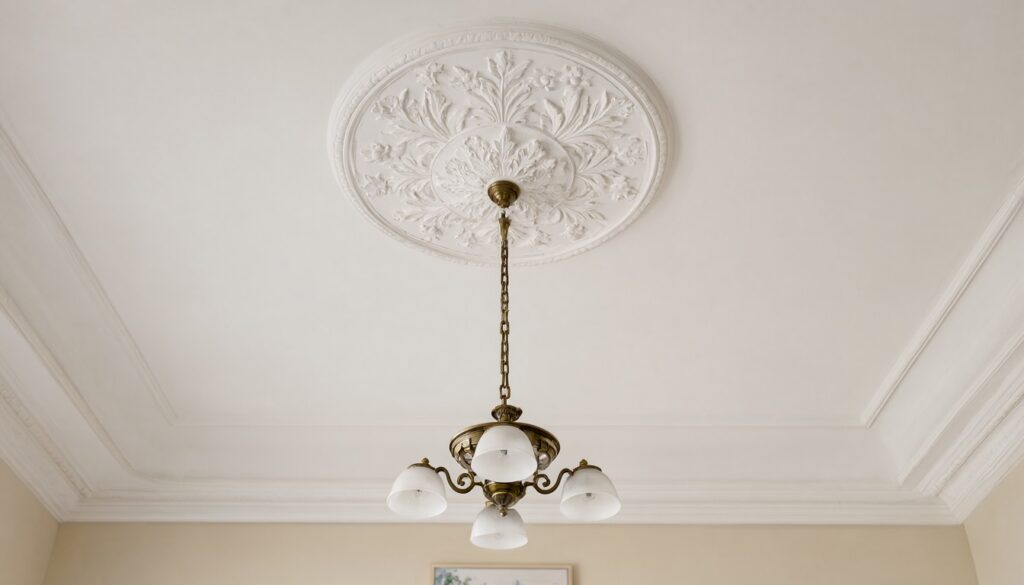
Main rooms usually had generous ceiling heights, finished with a plaster cornice (crown molding, in US terms) where wall meets ceiling and a ceiling rose, or medallion, at the center. Medallions framed the central light and helped disguise the ring of soot that candles, oil and gas lamps left on the ceiling. The grandest plasterwork went in the hall and front rooms; bedrooms and back rooms got simpler profiles.
2. Dado rails, picture rails and the three-part wall
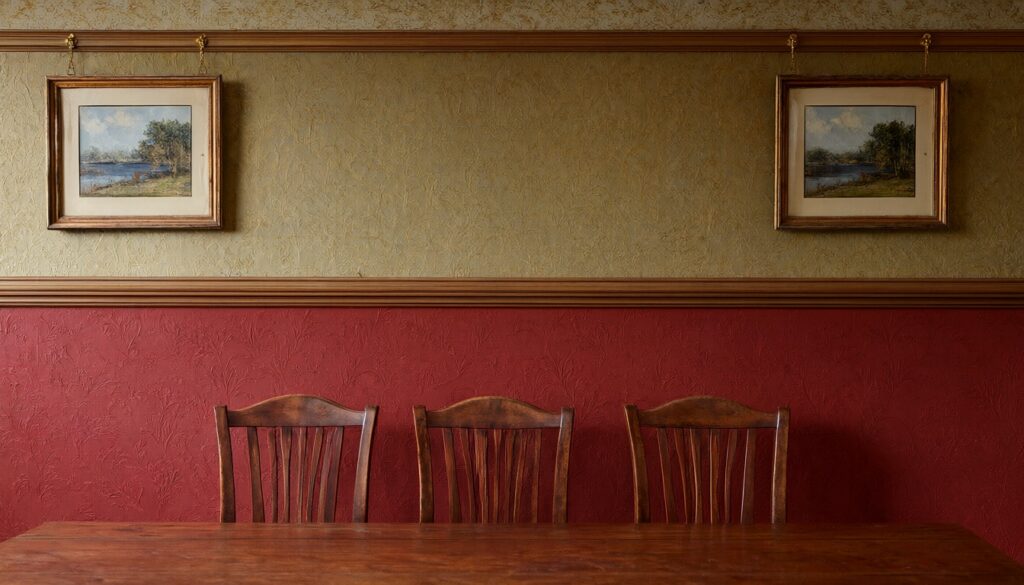
Many Victorian walls were split into three zones: the dado (the lower wall, up to a rail at roughly chair-back height), the main “filling” above it, and a frieze above a picture rail near the ceiling. Each zone could take a different paint or paper, with the toughest, darkest finish at the bottom where chairs and shoulders scuff. Picture rails let you hang art on cords and hooks without nailing into plaster, which is still handy today.
3. Patterned wallpaper
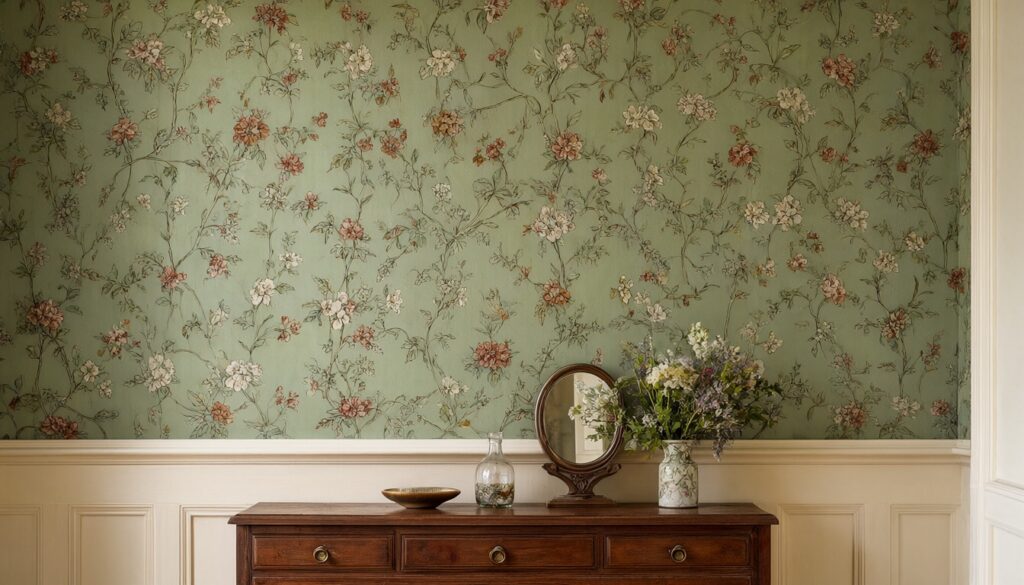
Wallpaper is the quickest way to signal Victorian home decor. Florals, damasks, trellis patterns and, later in the century, the stylized leaves and vines of William Morris and the Arts and Crafts movement were all popular. Tough embossed papers such as Lincrusta and Anaglypta, introduced late in the period, were often used below the dado in halls because they could be painted and wiped. For ways to use pattern without papering every wall, see our ideas for making wallpaper part of your home.
4. Encaustic and geometric tiled floors
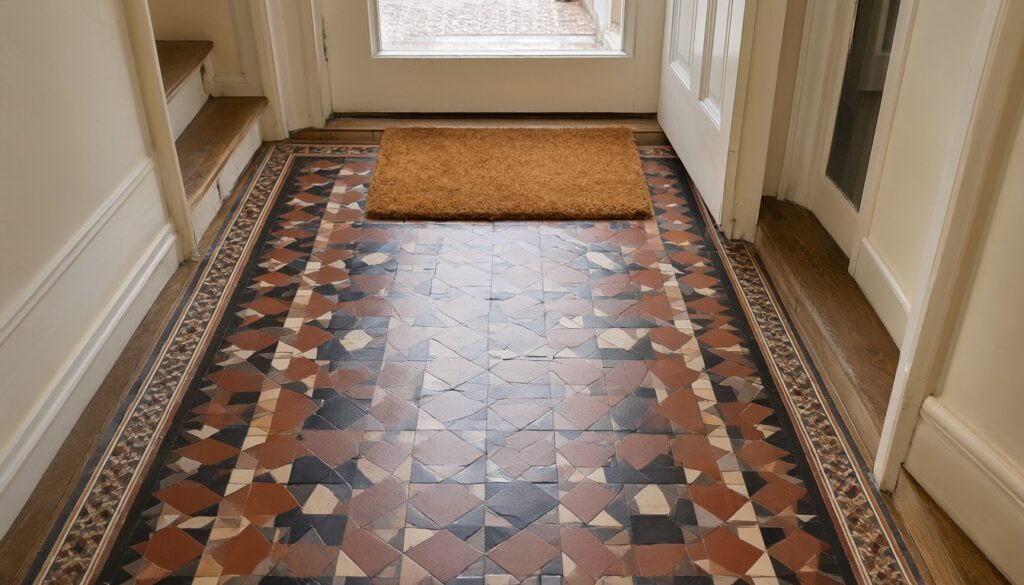
Hall and porch floors were often laid with small geometric tiles in terracotta, black, buff and cream, with patterned encaustic tiles as borders and accents. In an encaustic tile, the pattern is inlaid in colored clay rather than printed on the surface, which is why old ones survive decades of foot traffic. The Victorian Society’s guide to decorative tiles covers how these floors were made and laid. If you find old tiles under carpet or vinyl, clean and repair them rather than replacing. For new floors, porcelain reproductions are harder-wearing than cement tiles, which need sealing.
5. A fireplace in every main room
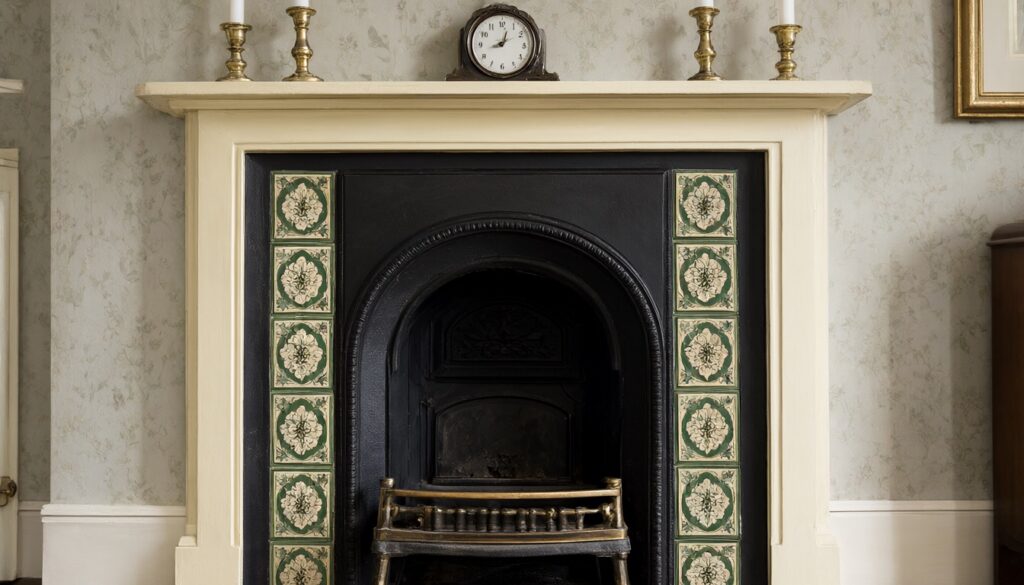
Coal fires heated the house, so most rooms had a fireplace, bedrooms included. Parlors got marble or carved wood mantels; bedrooms got smaller cast-iron fireplaces, often with decorative tile panels down each side. Even if the chimney is no longer in use, keep the surround as the room’s focal point and style around it (our fireplace ideas have more on that). Before lighting any fire in an old fireplace, have the chimney inspected and swept by a qualified chimney professional.
6. Bay windows, sash windows and layered drapery
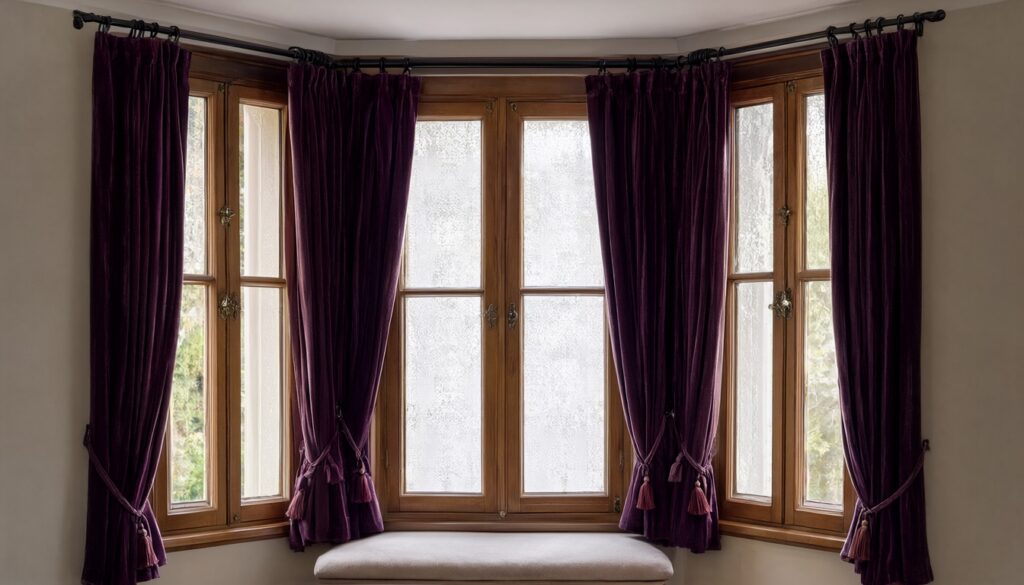
Bay windows pulled extra light into front rooms, and tall double-hung sash windows were standard. Windows were dressed in layers: a lace or sheer panel against the glass, heavy curtains in velvet, damask or wool, and sometimes a valance on top, hung from a wooden pole with rings or a metal rod. Black wrought iron curtain rods with simple finials suit the look without feeling fussy.
7. A turned staircase with a carved newel post
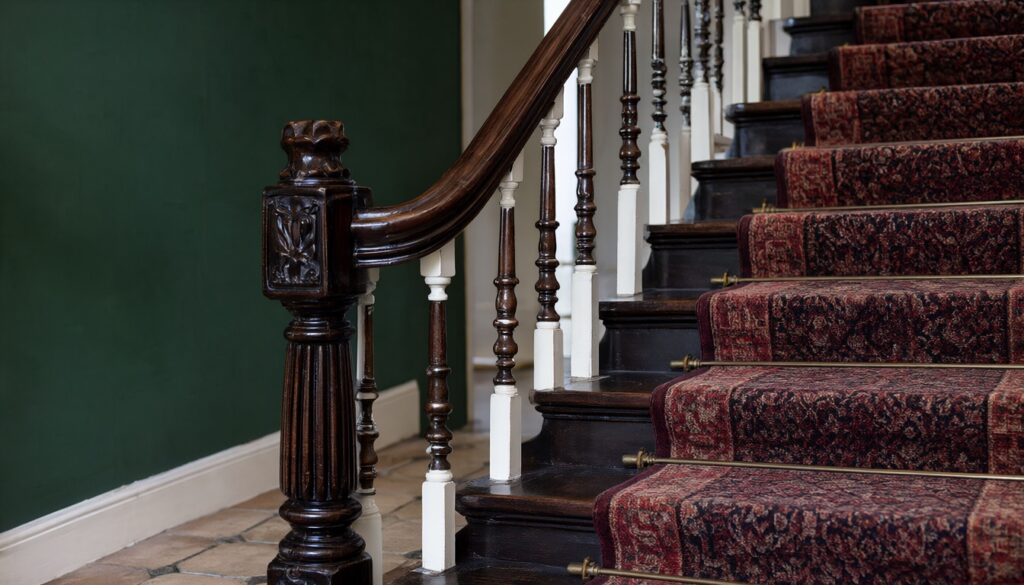
The hall staircase was meant to impress: a heavy, often carved newel post, turned wooden balusters, a polished handrail and a runner held with stair rods. Larger houses sometimes used ornate cast iron instead. If your stair has lost its original balusters, look at salvage yards for a match, or browse our staircase designs with wrought iron railings for decorative iron that suits a period hall.
8. Paneled doors, pocket doors, transoms and stained glass
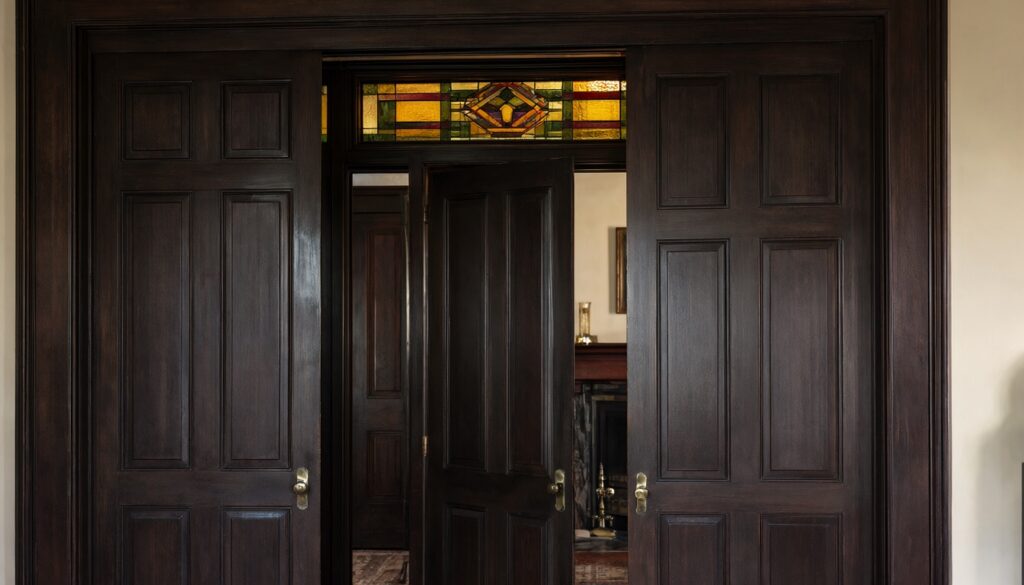
Four-panel doors with brass or porcelain knobs, sliding pocket doors between double parlors (common in American houses), transom windows over doors for extra light and air, and colored or stained glass in front doors and stair windows are all classic. Original hardware is worth keeping and cleaning; reproductions rarely match the weight of the originals.
What colors are used in a Victorian interior?
9. Rich, deep Victorian colors
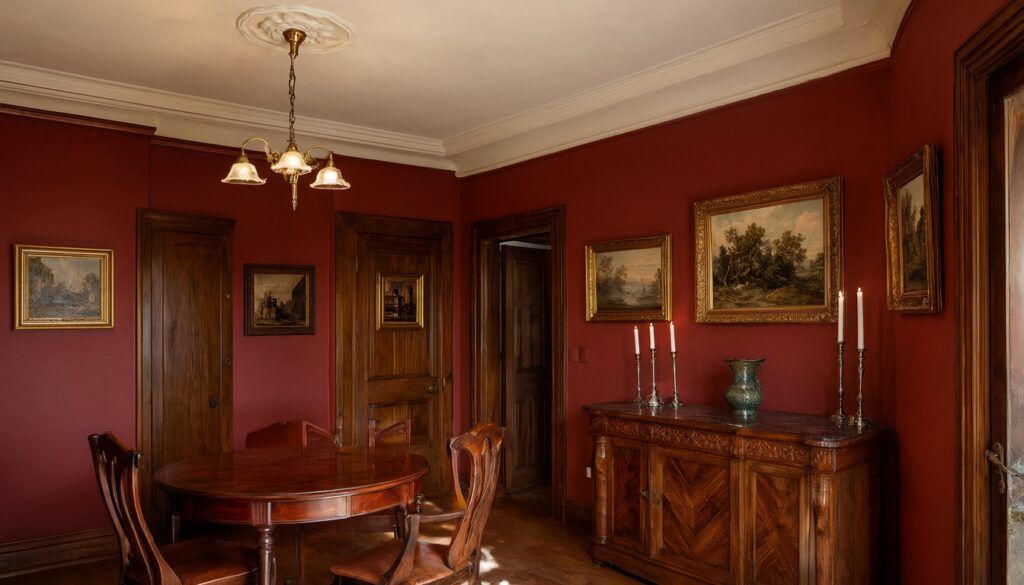
Mid- to late-Victorian rooms leaned toward deep, warm, saturated colors: burgundy and oxblood, olive and forest green, navy and ink blue, ochre, chocolate brown and terracotta. It was partly fashion and partly practical, since coal fires and gas lamps left soot that darker, patterned surfaces hid better. Woodwork was usually painted or “grained” to look like oak or mahogany; according to the Victorian Society, stripped pine is a much later fashion, and brilliant white paint wasn’t available until after World War II, so cream, off-white or stone reads more authentic on ceilings and trim.
| Room | Traditional Victorian palette | Modern Victorian take |
|---|---|---|
| Hall | Terracotta, deep red, brown or stone, darker below the dado | Dark lower wall, paler upper wall, original tiles kept |
| Parlor / living room | Crimson, olive, deep green, gold accents | One deep color across walls and trim, or warm plaster pink with dark wood |
| Dining room | Dark red, deep green, brown | Ink blue or oxblood with brass lighting |
| Bedroom | Usually lighter: soft greens, blues, pinks, floral papers | A muted floral paper on one wall, plain walls elsewhere |
| Kitchen | Practical, washable light colors: cream, stone, pale green | Painted cabinets in deep green or blue, unlacquered brass |
| Bathroom | White tile, light walls | White tile wainscot with a deep color above |
Victorian house interior ideas, room by room
Each room had a different job in a Victorian home, and the decoration followed: the most formal rooms were the most ornate.
10. Victorian hallway: tile, a runner and a mirror
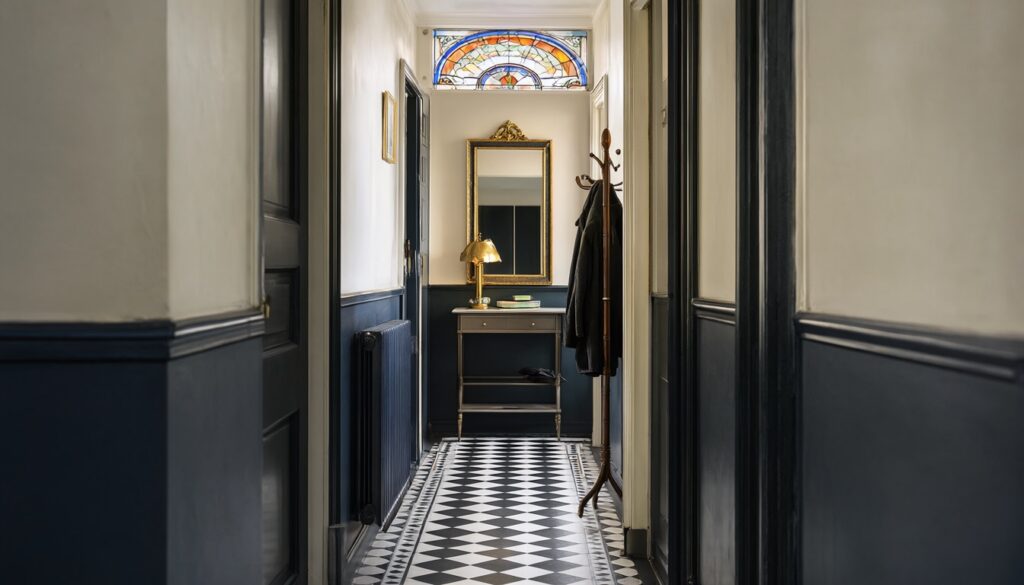
Victorian hallways are usually long and narrow, so work with that. Keep or reinstate a tiled floor, paint the lower wall a dark, wipeable color below the dado and go lighter above to bounce light, and hang a large mirror opposite the door. A slim console or hall stand gives you somewhere for keys without blocking the way. Put a sturdy mat at the door, because grit is what wears tile and stair runners fastest.
11. Victorian living room: build it around the fireplace
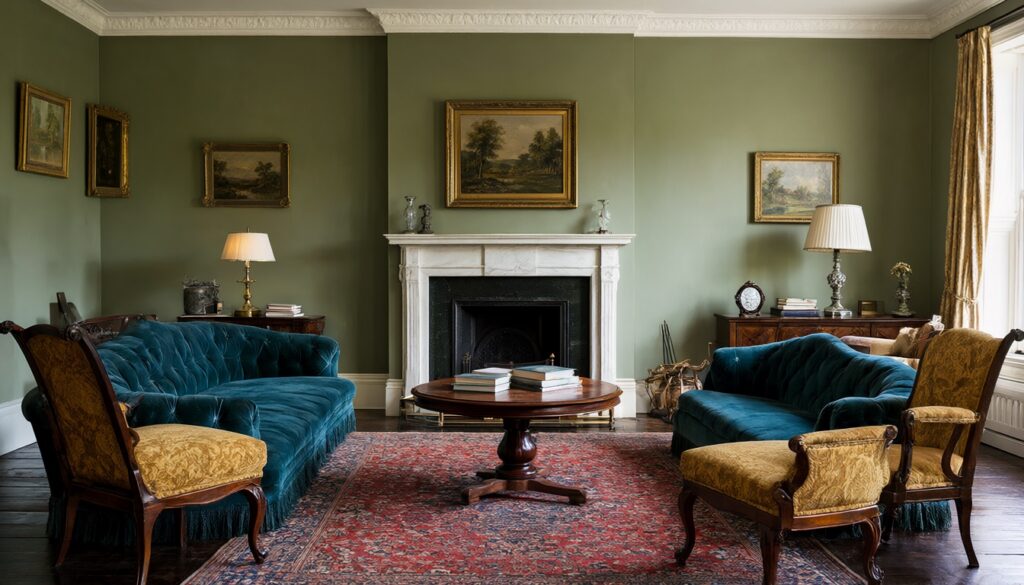
In a Victorian living room, the fireplace is the anchor. Face the sofa toward it, flank it with a pair of chairs and layer the floor with a patterned rug over wood boards. Victorians loved texture: velvet, damask, fringe, tufting and polished wood. Light the room with several lamps at different heights rather than one overhead fixture. If the room has a bay window, a cushioned window seat or a small round table and two chairs uses it well.
12. Victorian dining room: dark walls and a central chandelier
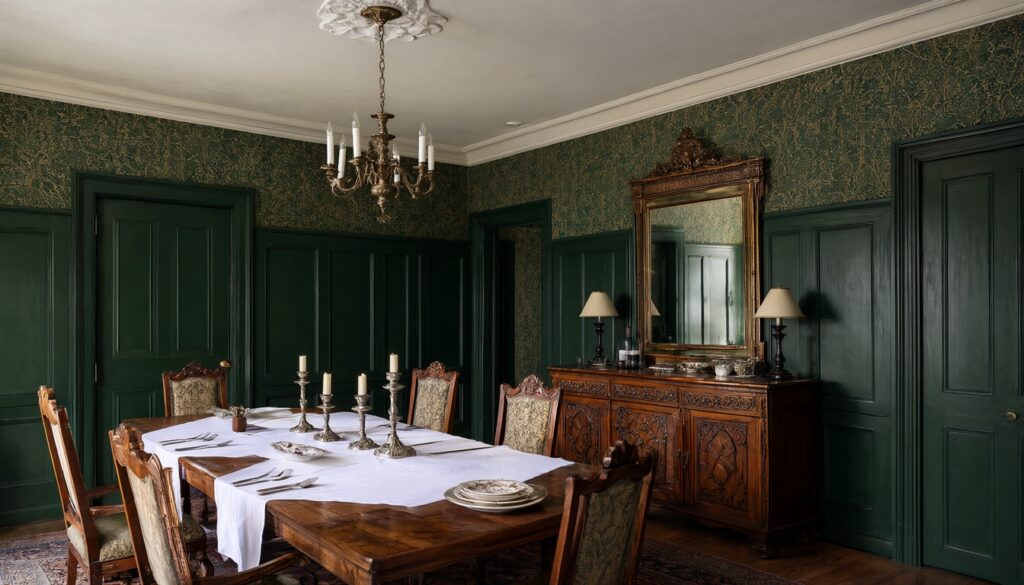
Dining rooms were meant for evening, so darker colors and dramatic lighting suit them. Wainscoting or a dark dado protects the walls from chair backs, a sideboard holds serving pieces, and a chandelier hangs from the ceiling rose over the table. Put the chandelier on a dimmer so it works for everyday meals too.
13. Victorian kitchen: freestanding pieces and a range
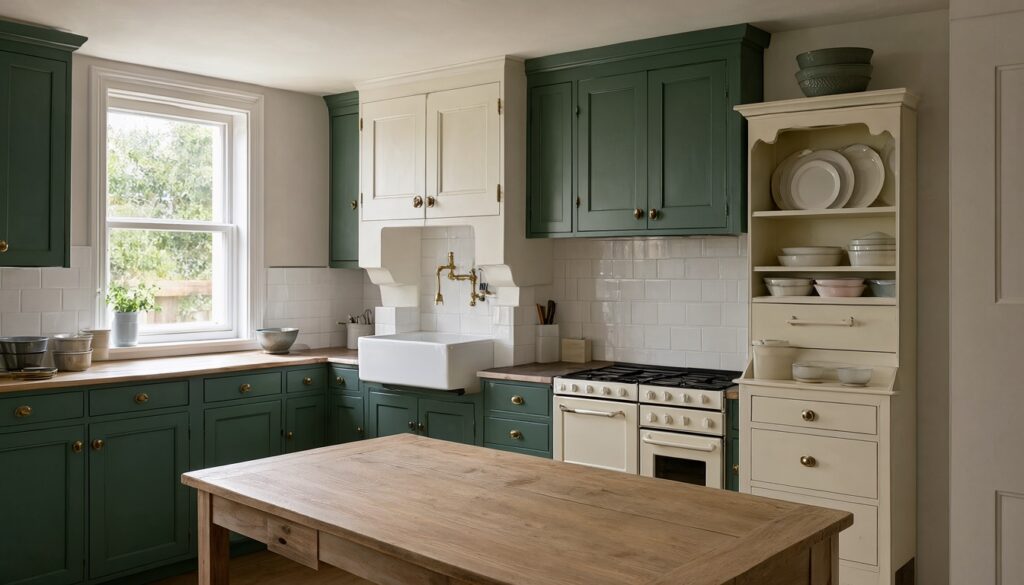
There’s no such thing as an original Victorian fitted kitchen: kitchens were service rooms with a range, a sink, a dresser and a big table, and fitted cabinets came later. So a Victorian kitchen today is an interpretation. Inset or simple paneled cabinets, a tall freestanding dresser, a ceramic farmhouse sink, a range-style stove in the old chimney alcove, brick-shaped wall tile and unlacquered brass hardware all fit the house without pretending to be a museum.
14. Victorian bathroom: clawfoot tub and hexagon tile
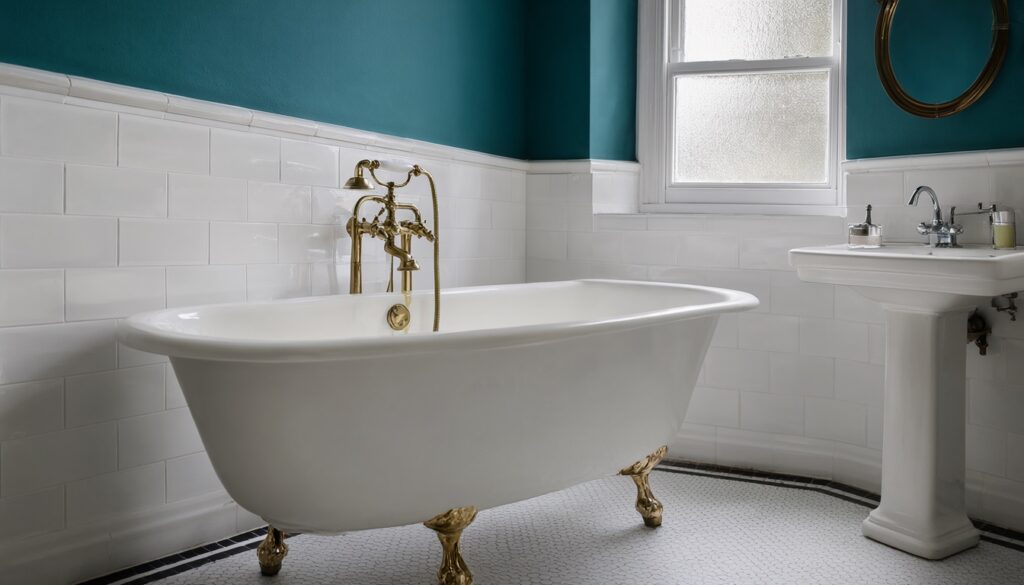
Indoor bathrooms became more common in larger homes toward the end of the 1800s, so many Victorian bathrooms are later conversions. The look that reads as Victorian is a freestanding clawfoot tub, a pedestal sink, small white hexagon floor tile, white tile wainscot and exposed brass or nickel fittings. Cast-iron tubs are very heavy when filled, so have the floor structure checked before you put one on an upper floor; acrylic reproductions are much lighter.
15. Victorian bedroom: an iron or carved bed and soft florals
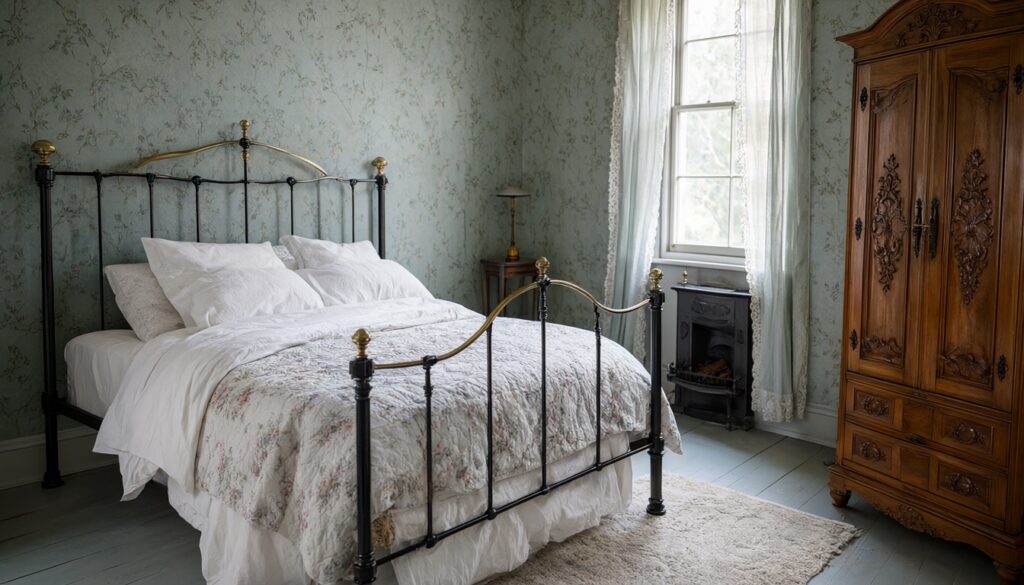
Bedrooms were usually lighter and softer than the reception rooms. A black and brass iron bed or a carved wooden bed is the centerpiece, with floral wallpaper, a wardrobe or chest in dark wood, and lace or linen at the windows. Blackout lining behind the curtains keeps the period look while blocking streetlight.
How do you create a modern Victorian interior?
A modern Victorian interior keeps the architecture and the sense of richness but drops the clutter. Most people living in a real Victorian house end up here.
16. Keep the shell, edit the contents
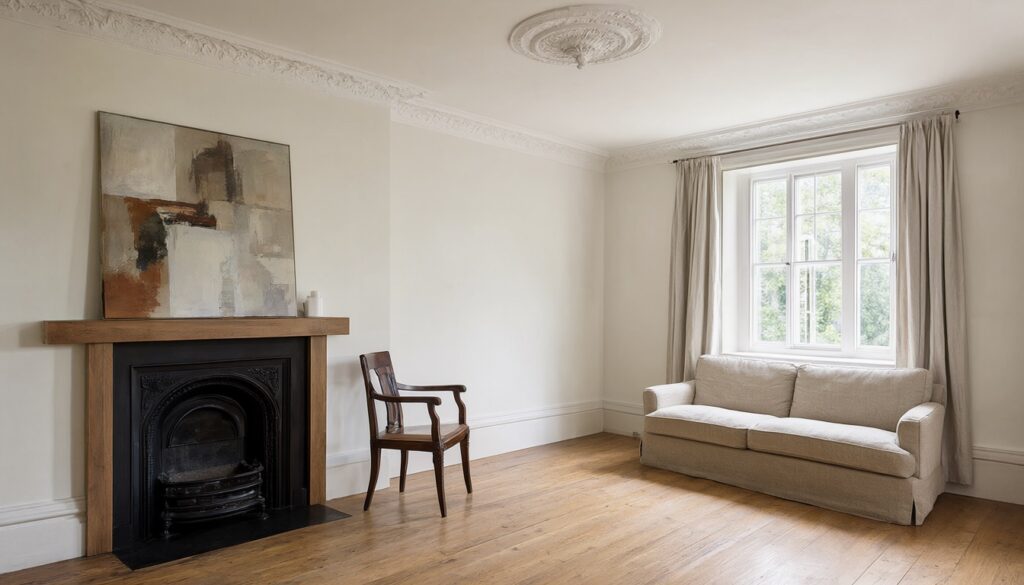
Let the cornice, fireplace, floorboards and windows do the decorating. Paint the walls a warm off-white or soft plaster color so the molding stands out, choose fewer and larger pieces of furniture, and keep surfaces fairly clear. This also helps if your rooms feel dim; our tips on making a dark room look brighter work well in deep Victorian terraces.
17. Mix antiques with modern pieces
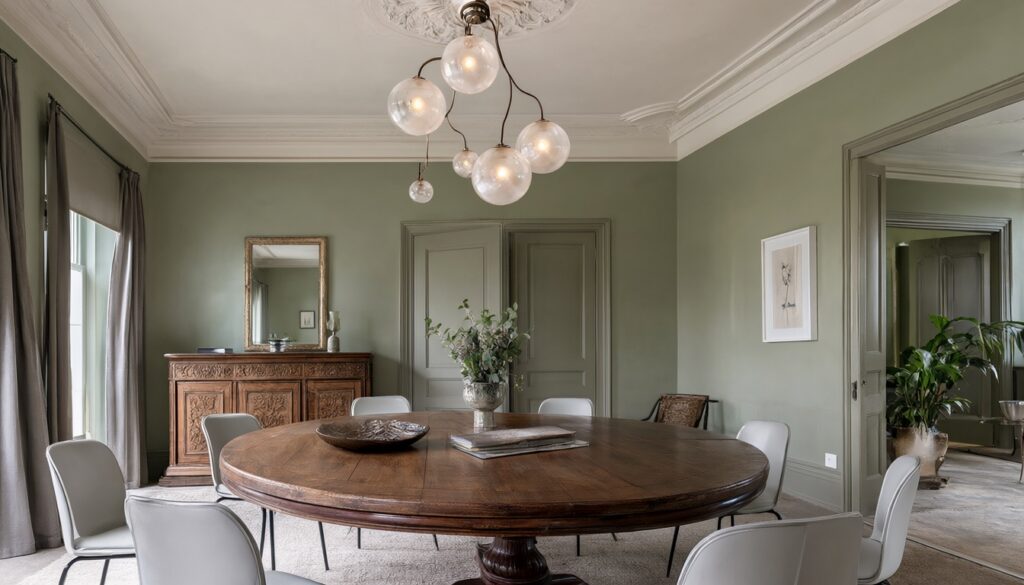
One or two good antiques (a carved sideboard, a Victorian mirror, a button-back chair) carry the period feel, and modern pieces around them keep the room from feeling like a set. Contemporary lighting under an ornate ceiling rose is a classic modern Victorian contrast. Try to keep the mix to two or three wood tones so the room doesn’t look accidental.
18. Color-drench one room
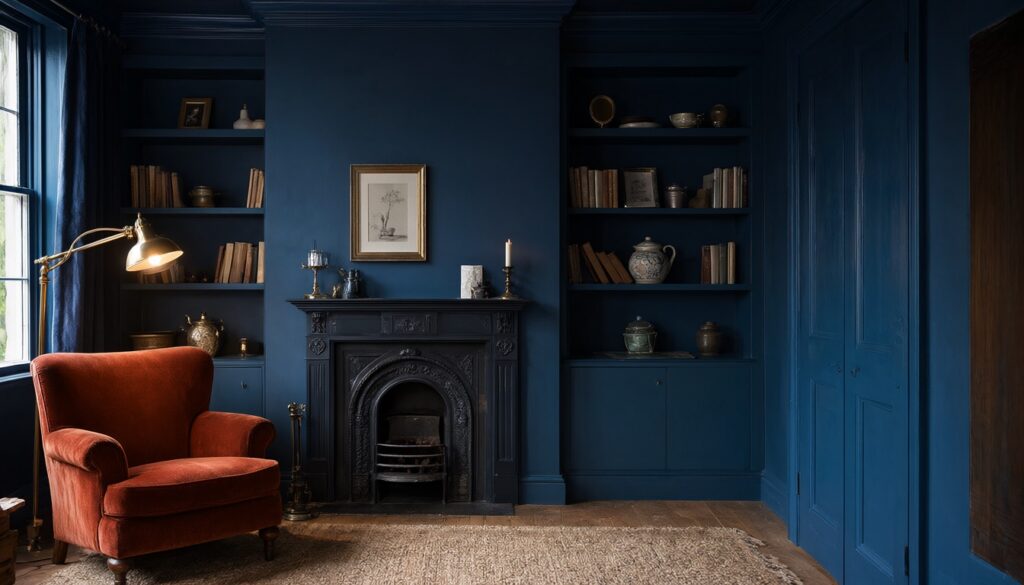
Painting walls, trim, cornice and even the ceiling in one deep shade is a modern take on Victorian richness. It makes ornate plaster look sculptural rather than busy, and it works especially well in smaller rooms like a study, snug or dining room. Use a slightly glossier finish on woodwork than on walls so the details still catch the light.
What should you keep when renovating a Victorian house?
Many Victorian homes lost their features during 20th-century modernizations, when fireplaces, cornices and paneled doors were ripped out or covered. Whatever survives is hard and expensive to replace, so repair before you remove:
- Plaster cornices and ceiling roses. Cracks and paint buildup can be repaired; ask a plasterer before pulling down an old ceiling.
- Fireplaces and surrounds, even if the chimney is capped. A blocked fireplace can still be the room’s focal point.
- Original floors. Tiled halls and wood floorboards are often hiding under carpet or vinyl.
- Sash windows. They can usually be repaired and weatherstripped, and interior storm windows improve comfort without changing the look.
- Doors, hardware, staircase parts, built-ins, shutters and stained glass.
Safety first: every Victorian house was built long before 1978, so assume old paint contains lead. Don’t dry-sand, power-scrape or heat-strip old paint, keep children and pregnant people away from the work area, and use a lead-safe certified contractor for paid work. The EPA’s renovation guidance for homeowners explains the rules and safe practices. Later additions can also contain asbestos (old vinyl floor tiles, pipe insulation, textured ceilings), so have suspect materials tested before demolition. If your home is in a historic district, check with the local preservation office before changing windows, doors or the exterior.
How can you get a Victorian look in a newer house?
You don’t need an 1890s house to borrow Victorian home decor. A few architectural additions do most of the work:
- Add crown molding and a ceiling medallion; lightweight polyurethane versions install with adhesive and paint up like plaster.
- Fit a picture rail and a dado rail, then use wallpaper or a darker paint below the dado.
- Lay patterned tile in the entry or a small bathroom.
- Hang heavy curtains high and wide on iron or brass rods, with sheers behind.
- Add a salvaged or reproduction mantel as a decorative focal point (only use it with a working fireplace if a professional installs it to code).
- Bring in two or three antiques and a patterned rug.
Stop before every room is themed. A newer home with a few Victorian details looks intentional; one with Victorian everything can look like a stage set.
FAQ
What is the difference between Victorian and Edwardian interiors?
Edwardian homes (roughly 1901 to 1910) generally have lighter, simpler interiors: paler colors, less pattern, simpler plasterwork and more emphasis on light and air. Victorian interiors, especially from the middle of the century onward, are darker, busier and more ornate.
What furniture is typical of a Victorian home?
Dark, polished woods such as mahogany, walnut and rosewood; carved details; tufted and button-back upholstery in velvet or leather; balloon-back dining chairs; pedestal tables; tall wardrobes; and iron or brass beds. Much of it was machine-made, so good Victorian furniture is still fairly easy to find secondhand.
Do Victorian interiors have to be dark?
No. Deep colors were common in reception rooms, but bedrooms were often lighter, and a modern Victorian interior can use warm whites and soft colors while keeping the period features. The architecture is what makes a room read as Victorian, not the paint color.
How do you modernize a Victorian house without losing its character?
Keep and repair the original features, then modernize what was never there to begin with: the kitchen, bathrooms, heating, wiring and lighting. Simplify the furniture and pattern, and let one or two rooms keep a richer, more traditional scheme.